Calls pile up
Every missed call in a heat wave is a no-cool job for someone else.
FOR HVAC OWNERS
From an AI inventor who runs an HVAC and plumbing company.
The first heat wave and the first cold snap decide your year. Here is how I use AI in my own heating, cooling and plumbing company in Central Ohio to catch the rush, hand off installs and sell more of the calls we already run.
01 / THE SEASON PROBLEM
HVAC demand comes in waves. The phones, the board and the install calendar all get tight at once. That is where AI helps first.
Every missed call in a heat wave is a no-cool job for someone else.
The tech arrives without the system’s age or the last visit’s notes.
Crews need the scope, the equipment and photos before they roll.
A replacement quote sits while the office fights the board.
02 / WHAT RUNS IN MY SHOP
These run in my business today. Event-driven handoffs happen in minutes; scheduled checks run on their own.
Answered and missed calls land in one dispatch alert with the outcome and the transcript. Minutes later, the same alert updates with the matching customer or job.
On a busy day, dispatch sees every call and its history in one place.
When a furnace or AC install is ready, the crew gets the scope, the notes and the photos in one message.
Equipment details, arrival information and site photos travel together.
Local forecast signals feed segmented texts tied to what a homeowner may need.
A heat spike in the forecast can prompt an AC message for the right group of customers.
Completed-job photos and notes get compared with the scope and relevant HVAC code references. Gaps get flagged. A qualified person makes the final call.
A missing required photo gets caught while the job is fresh.
A weekday check finds open jobs that need a permit but do not show one yet, and routes the list to whoever owns it.
The office works a short list instead of searching every open install.
The call, the transcript, the provider’s settings and the booking get checked together before a dispute goes out.
Questionable charges get flagged with the evidence ready.
03 / CLOSE RATE
Replacement calls are where close rate matters most. Every no already cost you the lead, the truck roll and the tech’s time on site.
04 / THE RULE
AI drafts, checks, flags and routes. A qualified person decides what the job needs, and your team decides what a customer hears. That is how it works in my shop, and how I would set it up in yours.
05 / WHERE I WOULD START
We find the first opportunity in your actual week, then measure whether the change helps.
When the phone rings during a rush or after hours, the right person gets the right context fast.
Follow-up gets a clear owner and cadence, so good jobs do not disappear in an inbox.
Cut duplicate entry and unclear handoffs between the tech, dispatcher and biller.
Turn scattered reports into a short list of decisions before the next week starts.
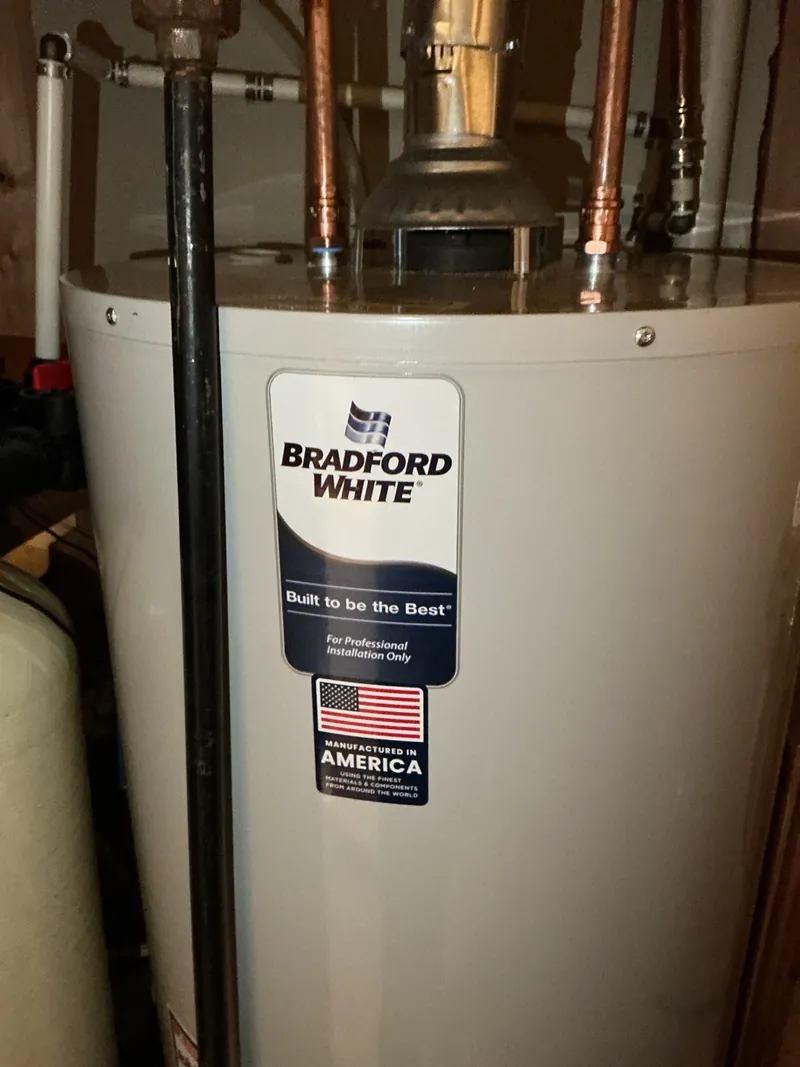
FROM MY SHOP’S REAL JOBS
QUESTIONS OWNERS ASK
In my shop: one dispatch alert per call, install handoffs with photos, forecast-based customer texts, closeout photo checks, permit checks and lead-charge disputes. People make every decision about the work.
That is where it helps most. It keeps calls, context and handoffs from falling through when the board is full.
No. It helps with follow-up, numbers and handoffs. The conversation in the home is still your tech’s.
No. It is the system I use in my own company, so I know it well. We start with the software and team you already have.
The 30-minute call is free and carries no obligation. If there is a fit, I propose a defined scope and fee for us to review before any paid work.
MORE FOR OWNERS
FREE 30-MINUTE CALL / NO OBLIGATION
Nick Johnson owns a plumbing and HVAC company in Central Ohio and is a named co-inventor on two granted U.S. AI patents from his time at Intuit. More about Nick.